Thousands of Central Otago residents to benefit from new health infrastructure.
Thousands of patients across Wānaka, Queenstown, Cromwell and the wider Central Otago Lakes region will benefit from an expansion of diagnostic imaging services designed to bring advanced medical scans closer to home and reduce the need for long-distance travel.
Latest Health New Zealand data shows 3,938 people in the Southern region are waiting for a CT scan or MRI, with more than half of MRI patients (1,105) waiting longer than the 42-day target.
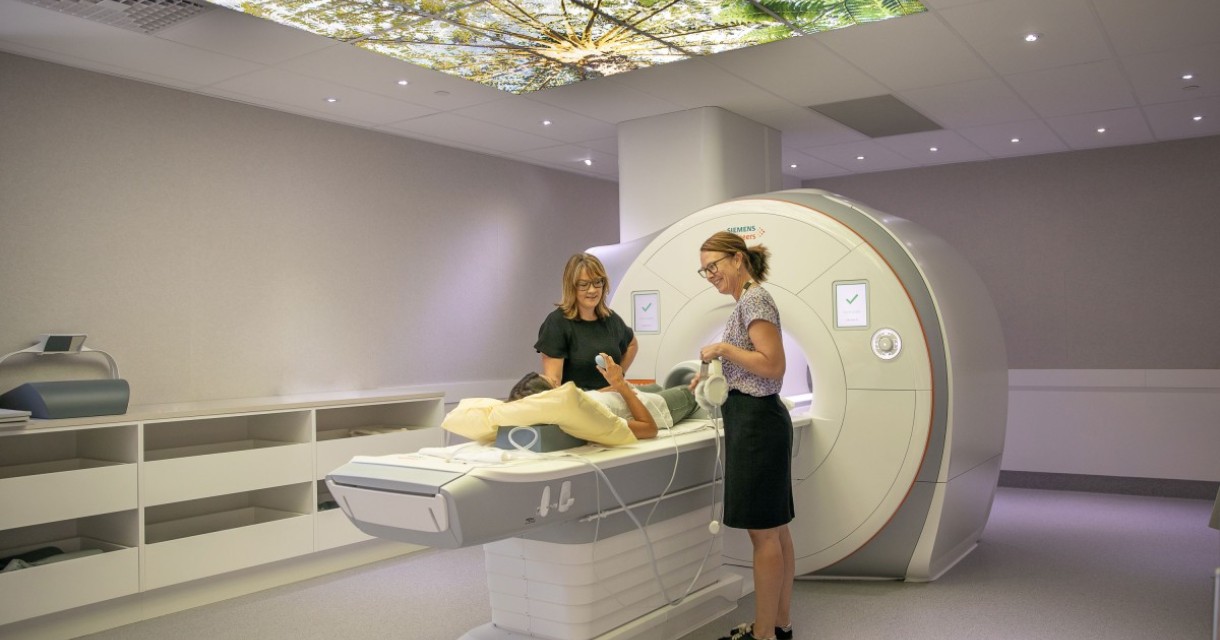
Pacific Radiology (PRG) will launch a new MRI service in Wānaka late this year, expanding the existing x-ray and ultrasound services we have offered in the region for over 25 years.
Our new Wānaka MRI forms part of our nationwide investment to expand access to imaging infrastructure. High-tech imaging is critical in improving early disease detection, reducing waiting times and easing pressure on the public health system.
For residents of the fast-growing Central Lakes region, the investment is expected to significantly improve access to MRI scans, which are used to diagnose conditions including cancer, stroke, neurological disease and serious musculoskeletal injuries.
Dr Jacquie Copland, Managing Radiologist for Otago & Southland, says the expansion comes as demand for imaging across the Central Lakes region continues to rise.
She says the existing Queenstown MRI scanner is one of the busiest in the country, with almost half its patients travelling from Wānaka.
Dr Copland says the multi-million dollar investment is expected to add capacity for up to 4,000 additional diagnostic scans each year across the Central Lakes region, helping to improve access for patients in Wānaka, Queenstown and surrounding communities.
Dr Copland says most privately referred patients within the Pacific Radiology network can access scans in under ten days.
“We know that early access to diagnostic imaging is critical to improving patient outcomes, with around four out of five cancer diagnoses relying on imaging at some stage of the clinical pathway.
“As it already does throughout the South Island, PRG will work with Health New Zealand to increase access to publicly funded MRI imaging for the people of Central Otago region.
“The issue also reflects a broader rural health equity challenge, with patients living outside major centres often facing longer travel times and reduced access to specialist diagnostic services compared with those in larger cities.
“Rapid population growth in parts of regional New Zealand has also increased demand for local health services. Districts such as the Central Otago Lakes area have been among the fastest growing in the country in recent years, placing additional pressure on diagnostic services traditionally concentrated in larger centres.”
Dr Ruth Highet, Sports and Exercise Medicine specialist at Wānaka SportsMed, says Wānaka's unique demographic mix creates a level and type of demand not typically seen in larger urban centres.
“We see a high proportion of tradespeople in physically demanding roles, a very athletic younger population and older population often with complex joint and mobility issues, and one of the most active communities in New Zealand, year-round which brings a high incidence of sports and recreational injuries.
“That combination creates sustained and very often urgent demand for advanced imaging, particularly during peaks of summer and winter seasons when the population doubles with domestic and international visitors.
“Despite that, access to High Tech imaging, including MRI, has historically lagged behind larger centres, meaning patients have effectively been underserved for many years.
“The introduction of a local MRI service is particularly timely, with transport costs rising rapidly. For many patients, the need to travel for a scan creates a real but often overlooked cost burden, especially when they are already injured or unwell.
“Early access to MRI can make a critical difference to treatment decisions. In many cases, particularly with musculoskeletal injuries, getting a scan quickly can determine whether a patient can be managed conservatively or whether they require surgery, which carries significant costs, recovery time and risks.
“Without a local hospital, diagnostic imaging is one of the most important tools we have to make early and accurate treatment decisions.
“Earlier diagnosis means faster treatment decisions and better outcomes for patients across the region.”
Dr Copland says the Queenstown MRI machine is operating close to full capacity.
“Introducing MRI services in Wānaka will significantly improve access for patients across the Central Lakes region who currently need to travel to Queenstown for imaging.
“For many people in Wānaka and surrounding communities, accessing an MRI has meant travelling over the Crown Range or through Cromwell, which can be difficult for patients who are already unwell or dealing with injury.
“The need in Central Otago reflects a broader pattern across regional New Zealand, where access to advanced diagnostic imaging has often struggled to keep pace with rapid population growth,” she says.