• Find a clinic
  • Contact us
  • myImaging
  • Referrers IntelePACS
  • Search
Pacific Radiology
  • Why choose us?
    Why choose us
    Book an appointment Find a clinic
  • Services
    Services Overview
    X-ray
    Ultrasound
    Pregnancy Ultrasound
    MRI
    CT Scan
    CT Calcium Score
    CT Colonography
    Breast Imaging
    PET-CT
    Bone Density
    Immigration X-ray
    Interventional Services
    Screening Services
    Dental Imaging
    Cone Beam CT (CBCT)
    Book an appointment Find a clinic
  • Patients
    myImaging Portal
    Procedures
    Feedback
    Our clinics
    Payments
    Book an appointment Find a clinic
  • Referrers
    IntelePACS
    Referrer resources
    Referral forms
    Image access
    Referrer support
    Multi-factor authentication
  • About
    About us
    Our people
    Research & innovation
    Latest news
    Careers
    Contact us
    Book an appointment Find a clinic
Find a clinic Contact us myImaging
Need help?
Back to latest news
3 min read

Low-Dose CT Lung Screening - Coming Soon

DSC 7175 edited
Published on 12 November 2026

Coming soon to Pacific Radiology - here’s what’s involved, who it’s for, and how to make an informed choice with your health professional.

This Lung Cancer Awareness Month, we’re sharing what’s ahead for lung health at Pacific Radiology. 

Lung cancer is often found at a later stage, when treatment options are more limited. Low-dose CT lung screening is designed to change that - helping detect changes in the lungs earlier, often before any symptoms appear.

Coming soon, Pacific Radiology will offer low-dose CT lung screening for people at higher risk. Ahead of launch, we want to share what it involves and who it may be most appropriate for, so you can make a confident, informed decision with your health professional.

What is low-dose CT lung screening? 

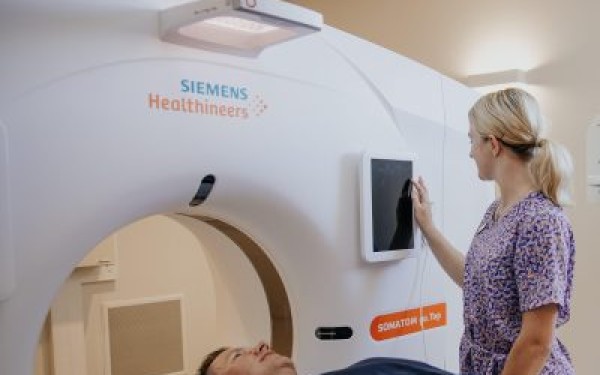
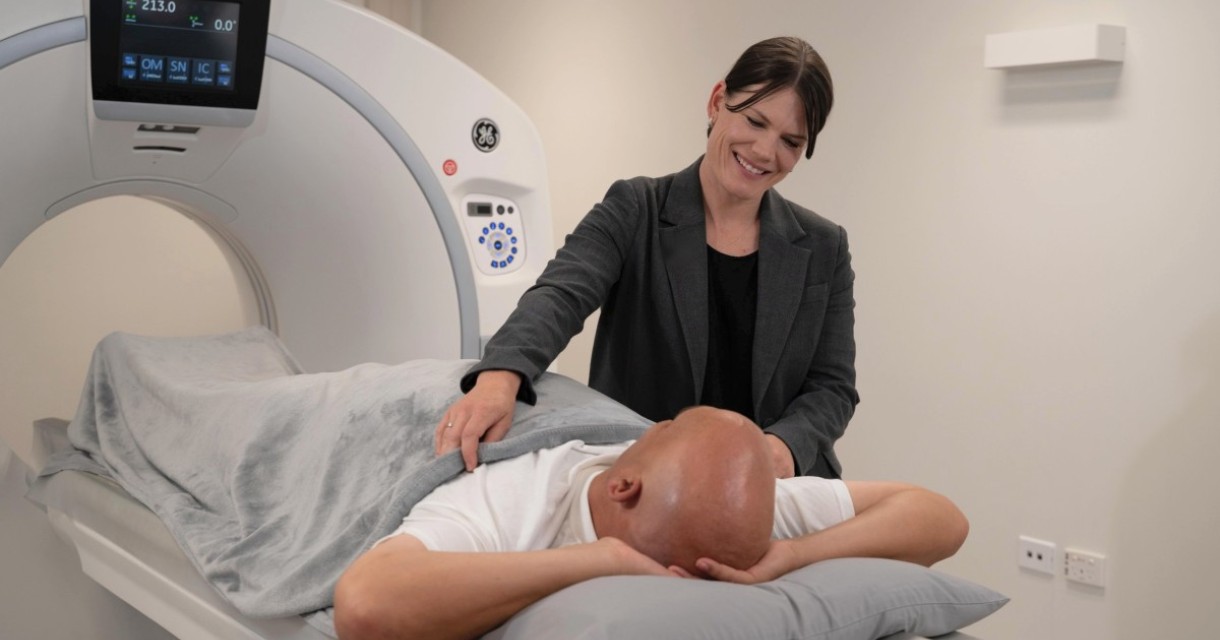
Low-dose CT is a quick, non-invasive scan of your chest. It uses around a third of the radiation of a standard chest CT, while still giving our radiologists a detailed view of your lungs. It’s designed to look for small spots, called nodules, in people who feel well and have no symptoms. 

  • No needles, injections or contrast 

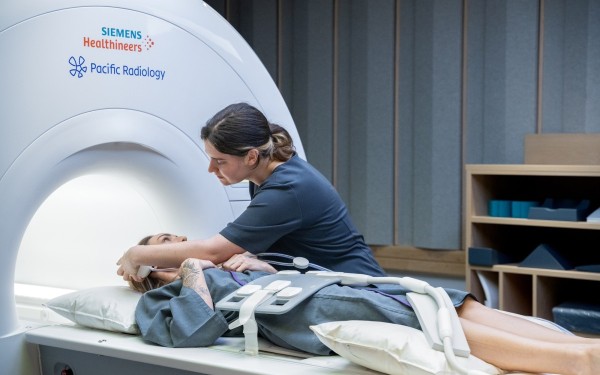
  • You lie comfortably on your back and hold your breath for a few seconds 

  • The scan takes less than a minute, with your appointment usually around 15 minutes 

  • Your images are reviewed by our subspecialty-trained radiologists, and results are sent to your health professional  

Who may it be right for? 

Good health isn’t about screening for everything - it’s about knowing what’s right for you. Lung screening is most appropriate for people at higher risk of lung cancer, typically: 

  • adults aged [50-74] 

  • who smoke, or have smoked in the past - particularly over many years. 

Family history and certain workplace exposures can also play a part in your personal risk. For people at lower risk, screening is generally not recommended. 

Understanding the benefits and limitations 

International research shows that screening people at higher risk with low-dose CT can reduce deaths from lung cancer by around 20-26%. As with any screening, it’s important to understand what it can and can’t do: 

  • Small nodules are common, and most are not cancer. You may be invited back for a follow-up scan to check for any changes 

  • The scan may pick up other findings that need further assessment 

  • The radiation dose is low, but - as with all CT scans - it isn’t zero 

  • No screening test detects every cancer 

Lung screening complements - not replaces - your routine medical care. Your health professional will talk you through your results and any next steps. 

How to access lung screening 

To ensure the right screening pathway for you, we encourage you to speak with your health professional about obtaining a referral. They can look at your smoking history and other risk factors, and help you decide whether screening is right for you. 

Experiencing symptoms? 

Screening is for people without symptoms. If you have a persistent cough, are coughing up blood, or have chest pain or unexplained weight loss, please see your health professional now rather than waiting for screening. 

Learn more about out screening services here.
Latest research.

The latest news, technologies, and resources from our team.
View all articles
Deep-Learning TSE imaging can provide enhanced knee images
Imaging

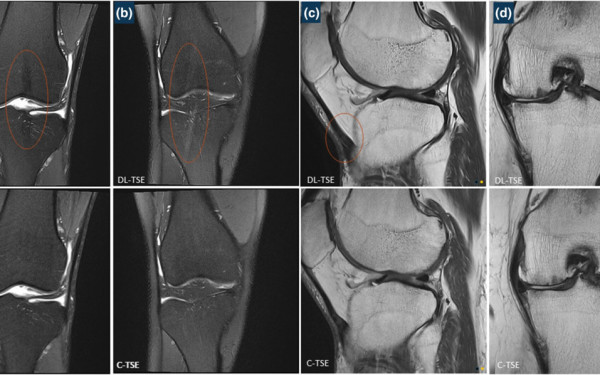
Deep-Learning TSE imaging can provide enhanced knee images

Pacific Radiology doctors and clinical staff recently contributed to a published study on conventional vs deep learning MRI.

25 June 2024
view
PET imaging key to understanding Parkinson's disease dementia
Parkinsons

PET imaging key to understanding Parkinson's disease dementia

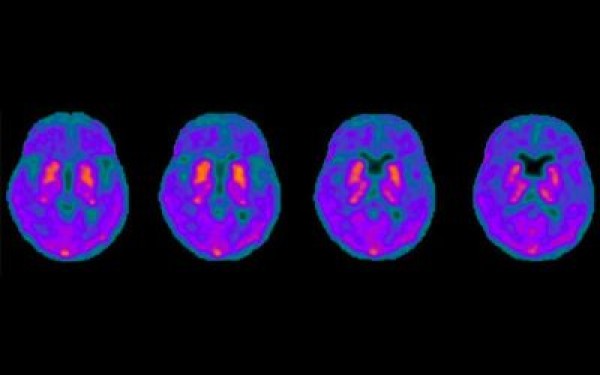
A unique research study is underway through the New Zealand Brain Research Institute (NZBRI) with New Zealand’s first brain tau PET scan in Christchurch. The focus is on Parkinson’s disease dementia.

23 August 2023
view
Working together to reduce New Zealand’s high bowel cancer mortality rate
Research

Working together to reduce New Zealand’s high bowel cancer mortality rate

Every day in New Zealand, nine people are diagnosed with bowel Cancer and three of them die. However, bowel cancer is a highly treatable disease if detected and diagnosed early.

28 March 2022
view
Research Nurse integral to cancer clinical research trials
Research

Research Nurse integral to cancer clinical research trials

In New Zealand, nearly 1000 women are affected by gynaecological cancer each year. Over the years, research about gynaecological cancer has been increasing and the role of Clinical Research Nurse has been integral to the discovery of a number of treatments, diagnoses, studies or trials.

21 March 2022
view
Innovative study to improve patient experience of MRI scans
Research

Innovative study to improve patient experience of MRI scans

A revolutionary approach to scanning using Deep Learning techniques could drastically reduce MRI scan times, meaning greater patient comfort and better quality images.

14 November 2021
view
Pacific Radiology makes strides into neurodegenerative research
Research

Pacific Radiology makes strides into neurodegenerative research

Recent developments in a global study including Pacific Radiology’s Research & Development Group mean that patients with neurodegenerative disorders could soon receive quicker, more accurate diagnoses.

13 October 2021
view

Book an appointment today.

Use our easy online booking tool to schedule your appointment at a time and location that’s most convenient for you.

Book now Find a clinic

At Pacific Radiology, we are committed to protecting the privacy and confidentiality of our patients' health information. We adhere to strict privacy policies and legal requirements to ensure that your personal health data is kept secure and used only for the purposes of providing you with the highest quality of care. Your trust is important to us, and we strive to maintain it by respecting your rights to privacy and confidentiality. ACC Southern Cross IANZ

ACC Southern Cross IANZ
General
Why choose us? Services myImaging Referrer Intelepacs
About us
Our People Research Careers News
Helpful links
Contact us Our clinics Payments Referrers Privacy policy Disclaimer
Home
© 2026 Pacific Radiology
Radi
This content is AI generated and is not medical advice. Please check for accuracy.